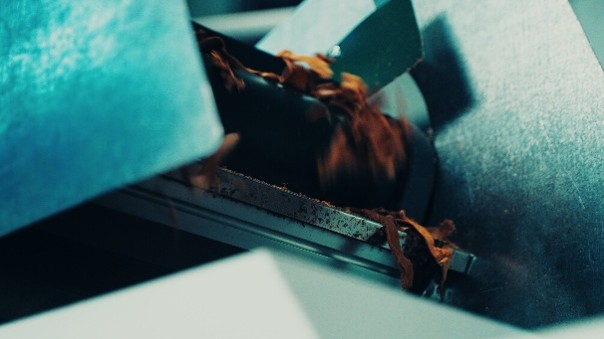
Leather, an example of resource valorisation.
A natural material deeply rooted in traditional craftsmanship and contemporary design, leather is lasting.
Leather is primarily derived from by-products of the agri-food industry, particularly the dairy and meat sectors. This virtuous cycle already represents an established approach to resource recovery and reuse. It reflects a commitment to responsible resource management, making the most of natural materials while reducing waste — an approach that offers further opportunities to be developed today.
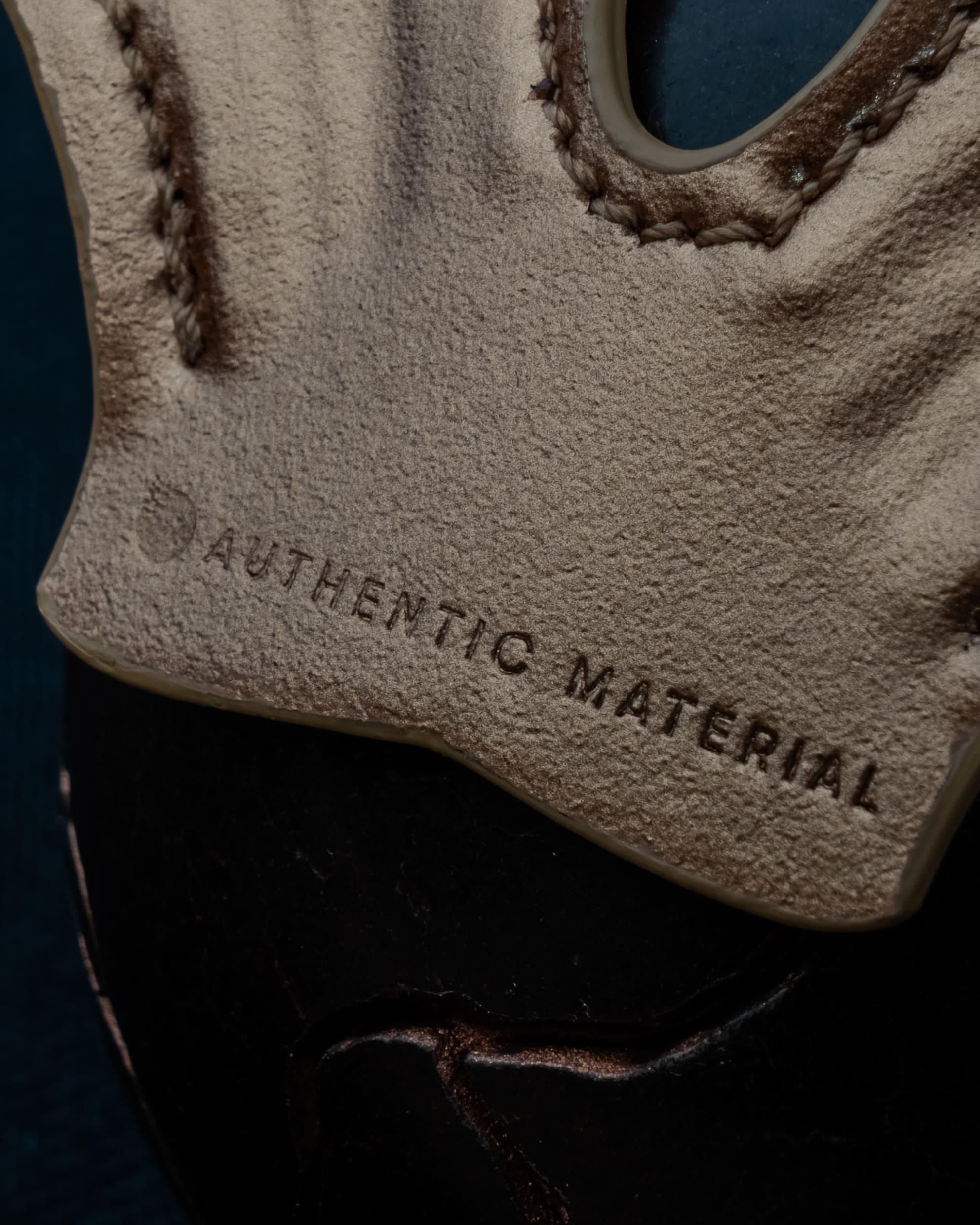
The end-of-life challenge for leather
Today, two main approaches are commonly used to manage end-of-life leather waste. While both provide ways of handling this waste, they also raise environmental concerns, highlighting the need to explore new avenues for resource recovery and valorisation.
Energy recovery: When incinerated in dedicated facilities, leather can generate heat that is converted into energy. However, combustion also releases pollutants, requiring modern flue gas treatment systems.
Landfill disposal: Due to the chemical treatments involved in leather production (tanning, dyes, etc.), leather decomposes very slowly and may release harmful substances into the soil and groundwater.
Alongside these existing solutions, new approaches to material recovery offer opportunities to go further, paving the way for a more circular model that extends the lifecycle of leather.
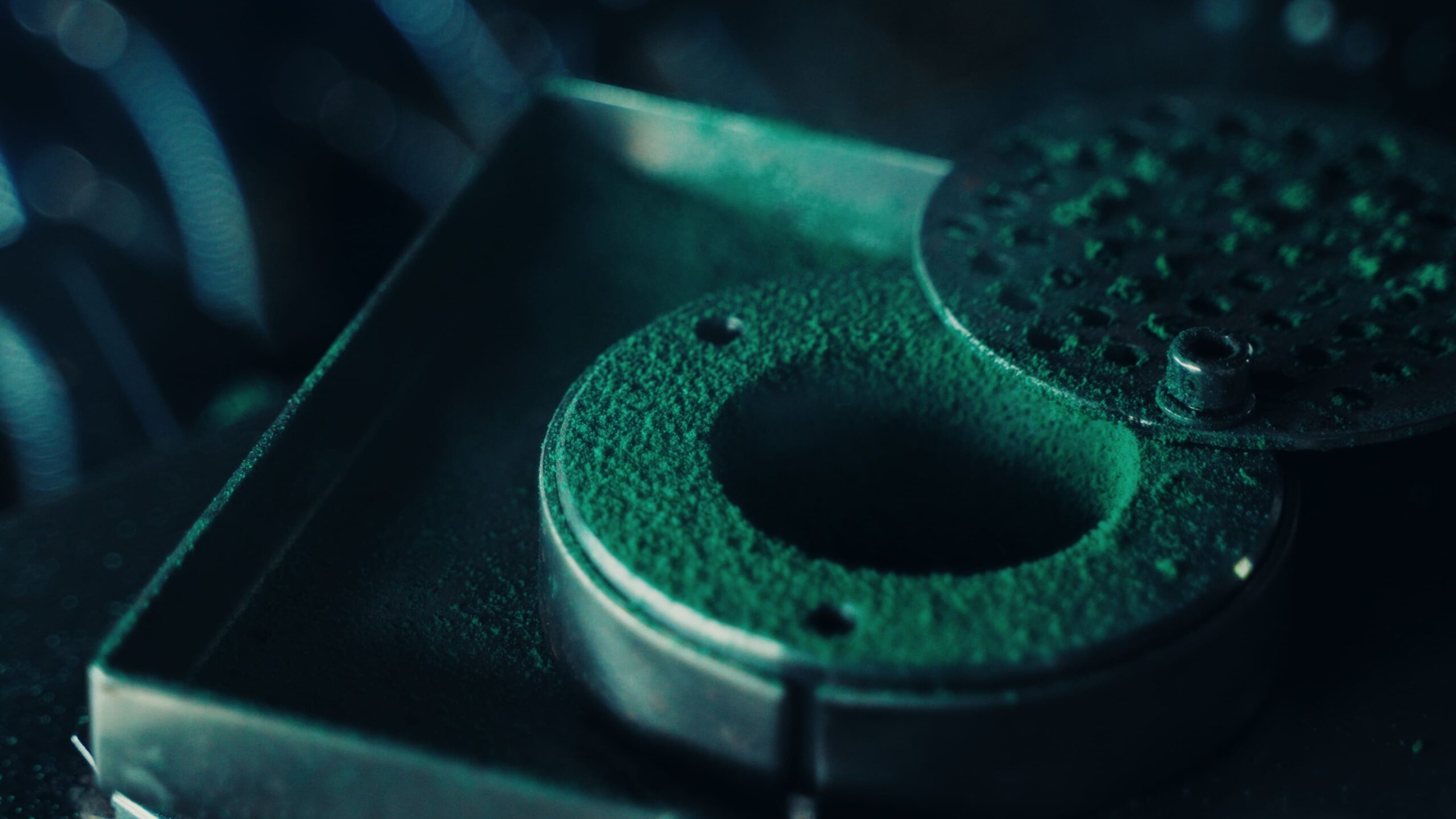
Recycling leather, a technological challenge
By definition, leather is a material made resistant to decay through tanning, a process specifically designed to prevent natural decomposition while providing strength and durability. Yet these very qualities, which make leather such a valuable material, also present significant challenges when it comes to recycling.
Furthermore, leather comes from different animal species and may undergo a wide variety of tanning, dyeing and finishing processes. This diversity makes recycling processes difficult to standardise and requires solutions tailored to the composition and characteristics of each type of leather.
Alongside these chemical constraints, there are also mechanical challenges. Grinding a flexible material such as leather produces a heterogeneous mixture that can be particularly difficult to process and reuse.
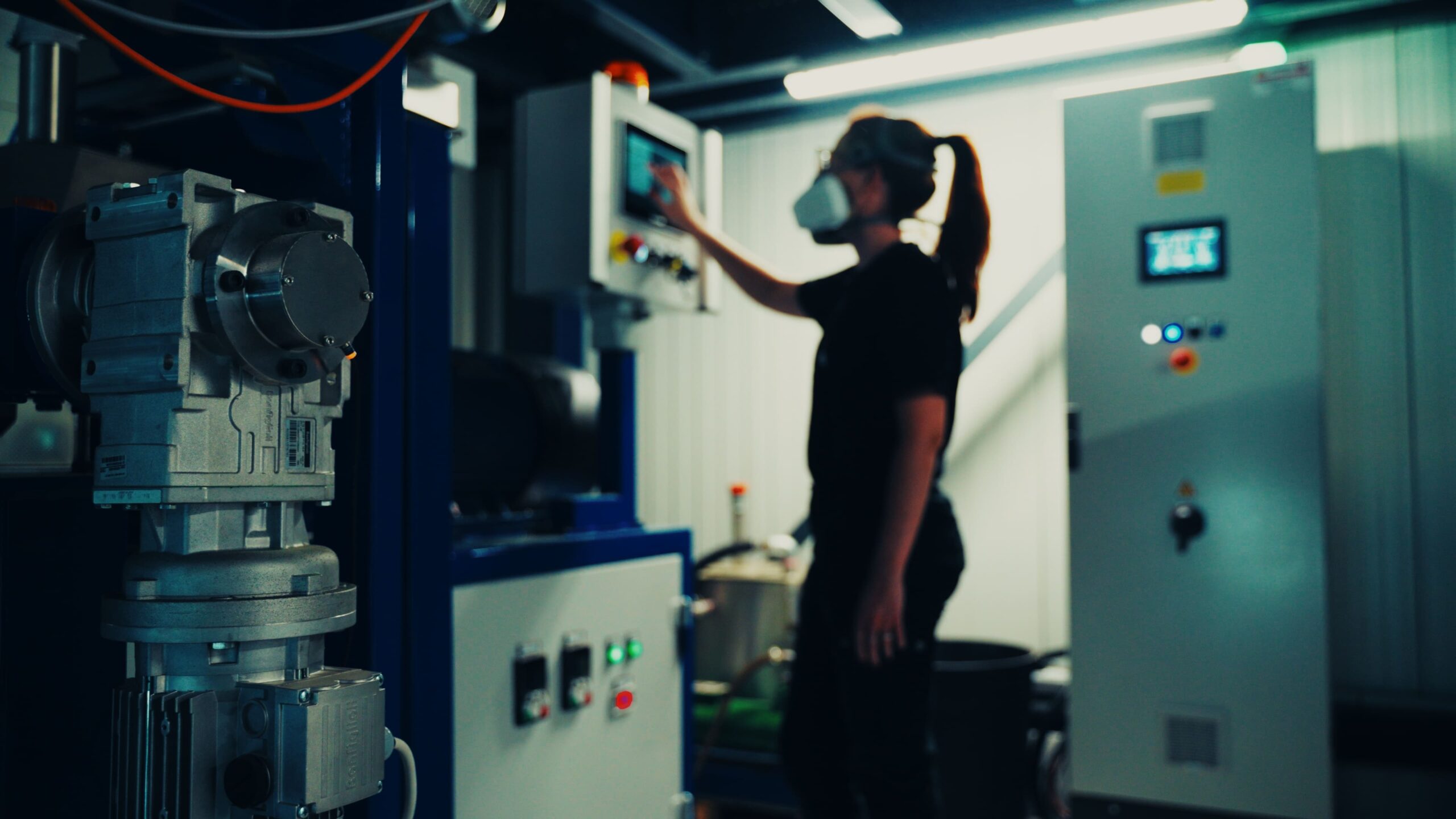
An opportunity for innovation
In response to these challenges, Authentic Material has developed and patented innovative technologies capable of recovering and transforming all types of leather resources on an industrial scale.
This innovation opens up new possibilities for turning leather by-products into valuable resources and extending their life cycle.
Authentic Material is a specialist in closed-loop Pre-Industrial Recycling (PIR), driven by a clear ambition: to make leather a sustainable resource that can be reintegrated into new production cycles.